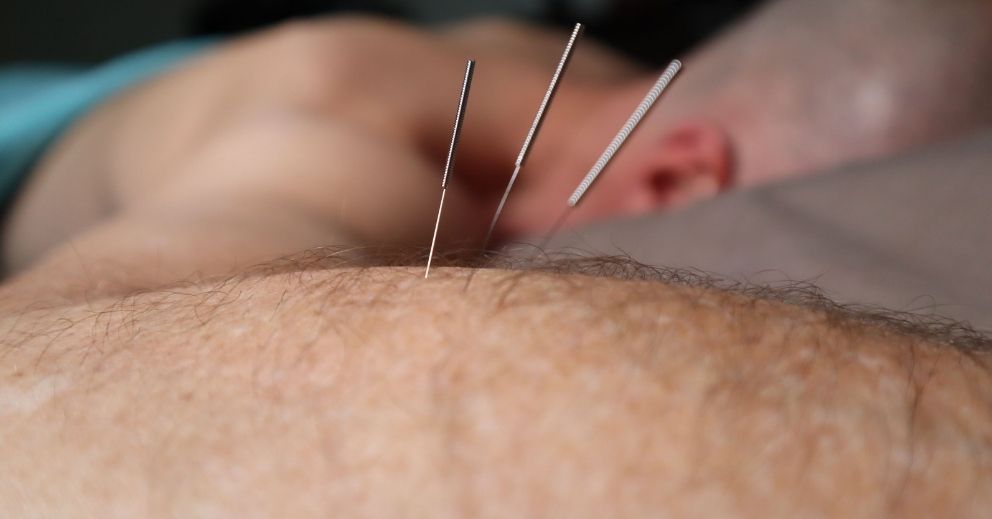
If you’ve ever been told by a physio or myotherapist that dry needling might help with your muscle pain, you’ve probably also wondered how it’s different from acupuncture. Both involve fine needles. Both can look pretty similar from the outside. But the thinking behind them, and what they’re actually trying to achieve, are quite different things.
This article breaks down what dry needling actually is, how it compares to traditional acupuncture, and how to figure out which approach might suit what you’re dealing with.
TLDR: Dry needling is a Western, muscle-focused technique that targets tight bands of muscle called trigger points, while acupuncture is based on traditional Chinese medicine and aims to balance energy flow through the body. Both use thin, solid needles, but the goal, the training behind them, and the way practitioners choose needle points are different. Which one suits you often comes down to what’s causing your pain and what you’re hoping to get out of treatment.
Understanding Dry Needling as a Muscle Treatment
Dry needling is a technique used mostly by physiotherapists, myotherapists, and some chiropractors to treat tight, overactive muscles. A thin needle is inserted directly into a “trigger point”, which is a small, tense knot within a muscle that can cause pain, stiffness, or referred pain in other areas.
The idea is that the needle creates a tiny, controlled response in the muscle tissue. This can help release tension, improve blood flow to the area, and reduce pain signals being sent from that spot.
Where Dry Needling Comes From
Dry needling developed out of Western medical research into muscle pain and trigger points, rather than any traditional healing system. It’s grounded in modern anatomy and physiology.
Practitioners are trained to identify trigger points based on muscle testing, palpation, and understanding of how pain refers through the body.
What Conditions It’s Commonly Used For
- Lower back pain and tight hip muscles
- Neck and shoulder tension from desk work or poor posture
- Sports injuries and overuse strains
- Headaches linked to muscle tightness
- Chronic muscular pain that hasn’t responded to other treatment
How Acupuncture Takes a Different Approach
Acupuncture comes from traditional Chinese medicine and has been practised for thousands of years. Rather than focusing purely on muscle tissue, it’s based on the idea that energy, or “qi”, flows through pathways in the body called meridians.
Needles are inserted at specific points along these meridians, chosen according to traditional diagnostic principles rather than where a muscle feels tight. The aim is to restore balance and support the body’s overall function, not just treat a single sore spot.
The Diagnostic Process Behind Acupuncture
An acupuncturist will often ask about sleep, digestion, stress levels, and general wellbeing, not just the specific pain you’re experiencing. This is because traditional Chinese medicine treats the body as a connected system.
Pulse and tongue assessment are also common parts of an acupuncture consultation, which isn’t something you’d see in a dry needling session.
Common Reasons People Try Acupuncture
- General stress and anxiety management
- Sleep difficulties
- Digestive complaints
- Chronic pain alongside other treatments
- Overall wellness and balance
Dry Needling vs Acupuncture: Key Differences Explained
Both techniques use similar needles, often the same thin, solid, single-use needles. But that’s really where the overlap ends.
Dry needling is usually a short, targeted treatment aimed at one or two specific muscles. Acupuncture sessions tend to be longer and may involve needles placed across many areas of the body based on a broader assessment.
Training and Practitioner Background
Physios and myotherapists who perform dry needling have usually completed additional short courses on top of their core qualification. Acupuncturists typically complete a dedicated degree in traditional Chinese medicine, which covers diagnosis, herbal medicine theory, and needling technique in much greater depth.
What the Treatment Session Actually Feels Like
Dry needling can cause a brief muscle twitch or ache when the needle hits the trigger point, which some people find more intense in the moment. Acupuncture is generally described as gentler, with needles left in place for 20 to 30 minutes while you relax.
- Dry needling: targeted, brief, muscle-specific
- Acupuncture: broader, longer sessions, whole-body focus
- Dry needling: based on Western anatomy and trigger point theory
- Acupuncture: based on traditional Chinese medicine and meridian theory
Choosing the Right Option for Your Pain or Condition
Neither treatment is automatically “better” than the other. It really depends on what’s going on with your body and what you’re hoping to achieve.
If you’ve got a specific muscle that’s tight, knotted, or causing referred pain, dry needling as part of a physiotherapy or myotherapy treatment plan might be the more direct option. If you’re dealing with broader stress, sleep issues, or you prefer a more holistic approach, acupuncture may suit you better.
Questions Worth Asking Before You Book
- Is my pain linked to a specific muscle or movement pattern?
- Am I also dealing with stress, sleep, or digestive issues?
- Do I want a quick, targeted session or a longer, whole-body approach?
- Has my practitioner explained which technique they’re trained in and why?
At Village Remedies, treatment plans are built around what’s actually causing your pain, not a one-size-fits-all approach. Whether that means dry needling as part of a broader physiotherapy plan or exploring other hands-on techniques, the goal is working out what will genuinely help your body recover.
Is Dry Needling Right for Your Pain?
Different types of pain respond to different treatment approaches. Dry needling may help with muscle tension and discomfort, but understanding what’s causing your symptoms is an important first step.
At Village Remedies, our team can assess your concerns, explain your treatment options and recommend an approach suited to your needs.
Not sure which treatment is right for you? Book a consultation with Village Remedies today.
Key Takeaways
- Dry needling targets specific muscle trigger points and is grounded in Western anatomy
- Acupuncture is based on traditional Chinese medicine and treats the body as a connected system
- Both use thin, solid needles but differ in technique, session length, and practitioner training
- Dry needling suits localised muscle pain, while acupuncture often suits broader wellness concerns
- The right choice depends on your specific pain, your goals, and your practitioner’s recommendation
FAQ
Does dry needling hurt more than acupuncture?
Many people find dry needling causes a brief, sharp sensation or muscle twitch when the needle reaches the trigger point. Acupuncture is generally gentler and more subtle, since it isn’t aiming to trigger a muscle response.
How many sessions of dry needling are usually needed before you notice a difference?
This varies depending on how long you’ve had the issue and how your body responds, but many people notice some relief within one to three sessions. Your practitioner should reassess regularly and adjust the plan if things aren’t improving.
Can dry needling and acupuncture be used together in the same treatment plan?
Some practitioners do combine elements of both, particularly if you’re seeing a physio for muscle pain and an acupuncturist separately for broader wellness goals. It’s worth letting each practitioner know what other treatment you’re having, just so they can tailor their approach.
Are there any risks or side effects to be aware of?
Mild soreness, bruising, or tiredness after treatment is common with both techniques and usually settles within a day or two. Serious complications are rare when treatment is performed by a properly trained practitioner using sterile, single-use needles.
Who shouldn’t have dry needling or acupuncture?
People who are pregnant, have a bleeding disorder, are on blood thinning medication, or have a needle phobia should mention this before treatment starts. Your practitioner can adjust the approach or recommend an alternative if needling isn’t suitable for you.