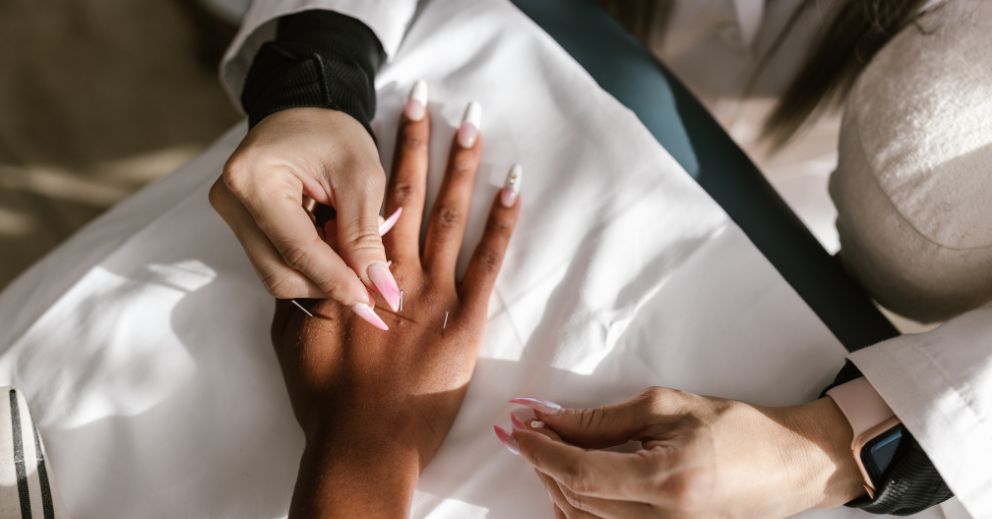
Booking your first dry needling session is easy. Knowing what to actually do before you turn up is where most people get stuck.
This guide walks you through exactly what to prepare, what to wear, what to eat beforehand, and what to expect once you’re on the table, so you can walk in feeling confident instead of guessing.
TLDR: Before your first dry needling appointment, eat a light meal, wear loose, comfortable clothing, and bring a list of your current symptoms and medications. Turn up hydrated, avoid intense exercise beforehand, and expect some mild muscle soreness afterwards that usually settles within a day or two.
What To Do In The Days Before Your Appointment
A bit of preparation in the lead-up makes the whole experience smoother. You don’t need to do anything drastic, just a few small adjustments.
Get Enough Sleep And Stay Hydrated
Your muscles respond better to needling when your body isn’t already run down. Aim for a decent night’s sleep before your appointment if you can.
Drinking plenty of water in the 24 hours beforehand also helps. Well-hydrated muscle tissue tends to be less reactive and recovers faster afterwards.
Avoid Heavy Exercise The Day Of
Skip an intense gym session or long run right before your appointment. Your practitioner needs to assess your muscles in their normal state, not fatigued or already sore from training.
Light movement like a short walk is fine. Just save the heavy lifting or high-intensity cardio for another day.
Eat A Light Meal Beforehand
Don’t come in on an empty stomach. Some people feel a bit lightheaded during or after dry needling, and having something in your system helps reduce that risk.
- Have a light meal or snack an hour or two before
- Avoid a heavy, greasy meal right before your session
- Limit caffeine and alcohol on the day if you’re prone to feeling faint
What To Wear And Bring To Your Session
What you wear genuinely affects how easily your practitioner can access the areas that need treatment. It’s worth thinking about ahead of time rather than figuring it out in the car park.
Clothing That Works Best
Loose, comfortable clothing that can be easily rolled up or moved aside is ideal. If you’re being treated for shoulder, neck, or back pain, a singlet or loose t-shirt gives your practitioner easy access without you needing to undress.
For leg or hip issues, shorts are a good option. Most clinics will offer a gown or towel if needed, but comfortable clothing saves a bit of awkwardness.
Useful Things To Bring
- A list of current medications and supplements
- Details of any relevant medical history, including past injuries or surgeries
- Notes on your symptoms, including when they started and what makes them worse
- Any imaging or reports from a GP or specialist, if you have them
- Water bottle to rehydrate after your session
What Actually Happens During A Dry Needling Session
Knowing the process ahead of time takes a lot of the nervousness out of a first appointment. It’s usually a fairly straightforward sequence.
The Initial Assessment
Your practitioner will ask about your pain, movement history, and any conditions relevant to the treatment. They’ll usually check your posture, range of motion, and palpate the muscles involved to find tight bands or trigger points.
This is your chance to mention anything you’re unsure about, including a fear of needles or previous bad reactions to treatment.
If you’re unsure how dry needling differs from acupuncture, read our guide to dry needling vs acupuncture to understand the key differences between the two treatments.
During The Treatment
Fine, sterile needles are inserted into specific muscle points. Most people feel a small pinprick, followed by a dull ache, twitch, or heaviness in the muscle. It’s not usually described as painful, more of an unusual sensation.
Sessions are generally short, often somewhere between 15 and 30 minutes depending on how many areas are being treated.
Common Reactions To Expect
- Mild muscle soreness, similar to after a workout
- Slight bruising in the treated area
- A feeling of tiredness or heaviness for a few hours
- Occasionally, a temporary increase in symptoms before they settle
Aftercare Tips Following Your First Session
What you do after your appointment matters just as much as the preparation beforehand. Good aftercare helps your body respond well and reduces unnecessary soreness.
Rest And Recovery
Give your body a bit of downtime after treatment. Avoid heavy exercise for the rest of the day, and don’t be surprised if the treated muscles feel a little fatigued.
Hydration And Heat
Drink water to help flush out any metabolic waste released during treatment. A warm shower or heat pack on the treated area can also ease soreness if it develops.
When To Contact Your Practitioner
Mild soreness is normal and usually settles within one to two days. If you notice significant swelling, ongoing sharp pain, or anything that feels out of the ordinary, it’s worth getting in touch with your practitioner rather than waiting it out.
Prepare for Your First Dry Needling Appointment
Getting ready for your first dry needling appointment doesn’t need to be complicated, a bit of preparation goes a long way toward making the experience comfortable and effective.
If you’re considering dry needling for muscle pain or tension, the team at Village Remedies can talk you through what to expect and help you prepare properly. Book a session when you’re ready to get started.
Key Takeaways
- Eat a light meal, stay hydrated, and avoid intense exercise before your first session
- Wear loose, comfortable clothing that gives easy access to the treatment area
- Bring a list of symptoms, medications, and any relevant medical history
- Expect mild soreness or tiredness afterwards, which usually settles within a day or two
- Rest, hydrate, and use gentle heat if needed once you get home
FAQ
How do I know if dry needling is the right treatment for my pain?
Dry needling tends to suit muscular pain linked to tight bands or trigger points, such as tension headaches, back pain, or sports-related muscle tightness. A practitioner will assess your specific symptoms during your first visit to confirm whether it’s a suitable approach.
If your pain is linked to something else, like nerve compression or a joint issue, they may recommend a different treatment or a combined approach instead.
How many sessions will I likely need before I notice a difference?
Some people feel a change after just one session, while others need three or four visits before improvement becomes noticeable. It depends on how long the muscle tension has been present and how your body responds to treatment.
Your practitioner should give you a rough idea of what to expect after your first assessment.
Is it normal to feel worse the day after treatment?
Yes, a bit of soreness or a dull ache the following day is common, similar to how muscles feel after exercise. This usually fades within 24 to 48 hours.
Can I drive myself home after a dry needling appointment?
Most people are completely fine to drive themselves home. Occasionally someone feels a bit lightheaded or fatigued straight after treatment, so if that happens, it’s sensible to sit for a few minutes before heading off.
What should I do if I’m nervous about needles?
Mention it to your practitioner before you start. They can adjust their approach, explain each step as they go, and use fewer needles or a slower pace to help you feel more comfortable.