Traditional Chinese Medicine, often shortened to TCM, has been practised for thousands of years. Yet despite its long history and growing popularity in Australia, many people still feel unsure about what it actually involves. Some assume it is outdated, unscientific, or only useful when nothing else works. Others are curious but hesitant because they do not quite understand how it fits into modern healthcare.
We often meet people who are interested in Chinese medicine but held back by common myths. Clearing up these misconceptions can help you make a more confident and informed decision about your health.
Summary: Many misconceptions about TCM come from misunderstandings about how it works and what it is used for. In reality, Chinese medicine is a practical, results-based system that uses acupuncture and herbal medicine to influence the body’s structure and physiology. It is not mystical, outdated, or disconnected from modern life. When practised properly, it can work alongside Western medicine to support long-term health and wellbeing.
Misconception 1: TCM is unscientific or just based on belief
One of the most common myths is that TCM has no scientific basis. While the language used in Chinese medicine is different from Western medical terminology, the goal is very similar: to understand how the body functions and how to restore balance when something is not working properly.
Modern research continues to explore how acupuncture influences the nervous system, circulation, and pain pathways. Chinese herbal medicine is also studied for its effects on inflammation, digestion, hormones, and immune function. At Village Remedies, treatments are grounded in clinical reasoning and observable results, not blind belief.
Misconception 2: Acupuncture is painful
Many people avoid acupuncture because they imagine large needles and significant pain. In reality, acupuncture needles are extremely fine, much thinner than those used for injections or blood tests.
Most people feel very little when a needle is inserted. Sensations are often described as dull, warm, heavy, or mildly tingly. Many patients find treatments deeply relaxing and some even fall asleep during a session.
Misconception 3: Chinese herbal medicine is unsafe
Another concern is that Chinese herbs are dangerous or poorly regulated. Like any form of medicine, safety depends on proper training, correct diagnosis, and appropriate prescribing.
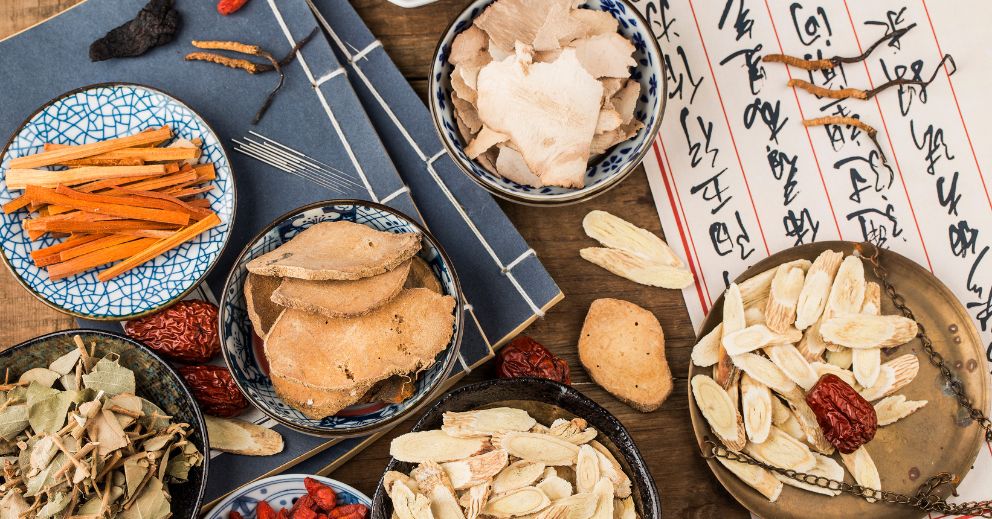
Qualified Chinese medicine practitioners study herbal formulas in detail, including how herbs interact with each other and with certain medications. At Village Remedies, herbs are prescribed thoughtfully and tailored to the individual, with safety always front of mind. Herbal medicine is not about taking random ingredients, but about using specific formulas to support the body’s natural processes.
Misconception 4: TCM only treats symptoms, not real problems
Some people assume Chinese medicine simply masks symptoms. In fact, TCM focuses strongly on identifying and treating underlying patterns in the body.
For example, headaches may be linked to tension, digestion, sleep quality, or stress levels rather than just the head itself. By addressing the root cause, Chinese medicine aims to reduce the frequency and severity of symptoms over time, not just provide short-term relief.
Misconception 5: You have to choose between TCM and Western medicine
TCM is often seen as an alternative that replaces conventional medical care. In practice, it can work very well alongside Western treatments.
Many people use Chinese medicine to support recovery, manage chronic conditions, or improve overall wellbeing while continuing to see their GP or specialist. A collaborative approach can offer broader support, especially for complex or ongoing health concerns.
Misconception 6: It takes forever to see results
While some chronic conditions do take time to improve, many people notice changes sooner than expected. This might include better sleep, improved digestion, reduced pain, or a greater sense of energy.
The timeline depends on factors such as how long the issue has been present, lifestyle habits, and how consistently treatment is followed. A practical, results-based approach helps ensure progress is monitored and adjusted as needed.
Curious About Chinese Medicine?
If you have been curious about Chinese medicine but held back by uncertainty, a conversation with an experienced practitioner can make all the difference. Village Remedies takes a practical, personalised approach to acupuncture and Chinese herbal medicine, focused on real outcomes rather than theory alone.
To learn how Chinese medicine could support your health, book a consultation today.
Key takeaways
- TCM is a structured and practical system of medicine, not just a belief-based practice
- Acupuncture is generally gentle and well tolerated
- Chinese herbal medicine is safe when prescribed by qualified practitioners
- Treatment focuses on addressing underlying causes, not just symptoms
- Chinese medicine can complement Western healthcare
- Many people experience meaningful results sooner than expected
FAQs
Is TCM suitable for modern lifestyles?
Yes. Chinese medicine is commonly used today to help manage stress, poor sleep, digestive issues, pain, and fatigue, all common concerns in modern life.
Do I need to stop my current medication?
No. Always continue prescribed medication unless advised otherwise by your doctor. Your Chinese medicine practitioner can tailor treatment to work alongside your existing care.
Is acupuncture safe?
When performed by a qualified practitioner using sterile needles, acupuncture is considered very safe.